Individual Development and Adaptive Learning
Since March 2026, Garvin Brod has been leading the Individual Development and Adaptive Learning Lab at the IWM. The group’s research focuses on the development of learning and self-regulation in the context of digital media and adaptive learning environments. The lab is currently being set up.
Employees



Deputy Head of Lab
+49 7071 979-341a.schueler@iwm-tuebingen.de
Team assistance
+49 7071 979-338p.ebert@iwm-tuebingen.de
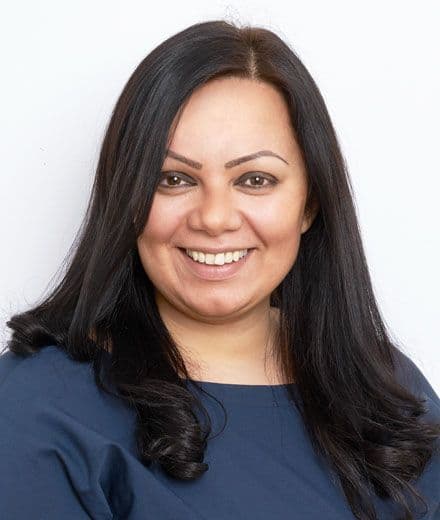



Scientist and Junior Research Group Leader
+49 7071 979-160m.su@iwm-tuebingen.de
Theresa Süß
Scientist
+49 7071 979-162t.suess@iwm-tuebingen.deAssociated scientists
Associated Scientist
j.breitwieser@iwm-tuebingen.de
Katharina Fleig
Scientist
k.fleig@iwm-tuebingen.de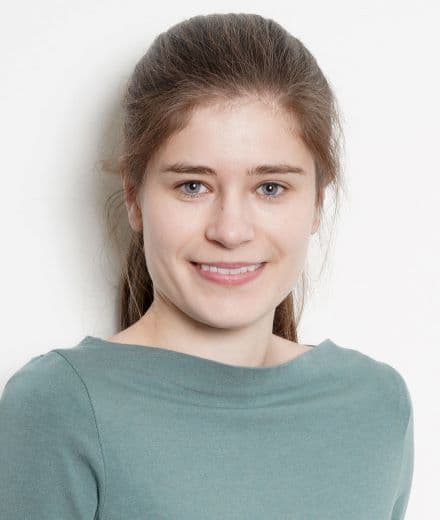
Dr. Pauline Frick
Associated Scientist
p.frick@iwm-tuebingen.deAssociated Scientist
e.holstein@iwm-tuebingen.deAnn-Kathrin Krause
Associated Scientist
a.krause@iwm-tuebingen.deAssociated Scientist
m.schaaf@iwm-tuebingen.deAssociated Scientist
s.sukjaitham@iwm-tuebingen.deProjects
SMARTKIDS: Smartphone Use and Child Development
Individual Development and Adaptive Learning
Duration 03/2026 - open
Go to projectEffects of Tracing in Augmented Reality
Individual Development and Adaptive Learning
Duration 10/2024 - open
Learning in three-dimensional virtual environments, such as virtual or augmented reality (VR, AR), is gaining increasing relevance in educational contexts, including schools. However, little is currently known about how learners can be effectively supported in processing educational content within these environments. This project investigates whether the well-established learning strategy of tracing—the act of following shapes with one’s finger—can also enhance learning in three-dimensional virtual environments, and which specific aspects of tracing contribute to this effect.
Go to projectFuture Innovation Space
Individual Development and Adaptive Learning
Duration 11/2023 - open
The IWM's 300 m² experience and experimentation space explores how advanced, innovative technologies, educational research and concepts can be effectively combined to support digital teaching and learning. By enabling hands-on experimentation with emerging technologies, it makes the future of education tangible while encouraging reflection on the opportunities and challenges they present. The goal is to develop well-founded didactic applications for future classrooms. Opened in 2023, the Future Innovation Space (FIS) is part of the “lernen.digital” competence network.
Go to projectValidation and reactivation processes in learning with texts and pictures
Individual Development and Adaptive Learning
Duration 01/2021 - open
Learning with texts and pictures, so-called multimedia material, plays a central role in different learning contexts (e.g. school). While the positive effect of text-picture combinations on learning success has been demonstrated frequently, the underlying cognitive processes have received less attention so far. Therefore, the project focuses on the cognitive processes in learning with text-picture combinations. We aim to further develop existing theories and to derive supportive measures for learners.
Go to projectEffects of automated feedback on metacognitive regulation and learning performance
Individual Development and Adaptive Learning
Duration 08/2020 - open
Adaptive learning systems should support learners by, e.g., personalized feedback. In this dissertation project, a tool is developed that automatically analyzes learners' written answers based on Natural Language Processing methods. This tool will then be implemented in a learning environment that provides automatic feedback adapted to the learners' answers. Subsequently, the impact of this feedback on performance and user acceptance will be investigated.
Go to projectChanging misconceptions through refutational text and pictorial representations
Individual Development and Adaptive Learning
Duration 01/2018 - open
Many people have misconceptions about scientific phenomena. Research shows that texts in which these misconceptions are explicitly addressed (refutational text) represent a possibility for long-term revision of misconceptions. This project investigates whether pictorial representations (self-generated drawings, pictures, videos) can further reinforce this positive effect. The results of this project are relevant wherever misconceptions play a role (e.g. school or university).
Go to projectOrder effects when reading multiple texts
Individual Development and Adaptive Learning
Duration 08/2017 - open
When searching for information on the Internet, one often comes across different, often contradictory explanations for the same phenomenon. This project investigates how reading different explanations for the same natural phenomenon affects recall performance and how sequence effects influence recall performance. The results from this project are relevant wherever information retrieval plays a role, for example, in school or university.
Go to projectTüDiLab: The Tübingen Digital Teaching Lab
Individual Development and Adaptive Learning
Duration 07/2016 - open
The Tübingen Digital Teaching Lab (TüDiLab) simulates a classroom equipped with up-to-date digital media and data collection instruments. The project has two aims: (1) practice-oriented professionalization of teachers related to their media competence in the context of the Tübingen School of Education, and (2) research on the effects of teaching with digital media.
Go to project
Publications
Articles (peer-reviewed)
- Peters, K., Jeftić, A., Ballard, T., Zhou, S., Steffens, N. K., Inceoglu, I., Ryan, M. K., Bongiorno, R., Eagly, A., Arriaga, P., Espinosa, A., Aczel, B., Adetula, A., Aglioti, S. M., Akca, E., Direkçi, E. A., Alizadeh, Z., Alonso-Arbiol, I., Amru, M. F., ... Ziółkowski, A. (2026). Think political leader — think he or she? A multi-country test of a gender-fair language intervention to reduce gendered leadership stereotypes. The Leadership Quarterly, 37(6), Article 101991. https://doi.org/10.1016/j.leaqua.2026.101991
- Su, M., Nair, A., & Nagashima, T. (2026). Exploring learner agency in an AI-supported simulation environment for complex systems education. Studies in Higher Education. Advance online publication. https://doi.org/10.1080/03075079.2026.2733930
- Lörch, L., Bonawitz, E., & Brod, G. (2026). The power of varying more than one thing at a time. Learning and Instruction. Advance online publication. https://doi.org/10.1016/j.learninstruc.2026.102478
- Brod, G., McAuliffe, K., & Ullman, T. (2026). Revisiting the 5- to 7-year shift: The age of metacognitive control? Child Development Perspectives. https://doi.org/10.1093/cdpers/aadag017
- Frick, P., Hoch, E., & Schüler, A. (2026). Cross‐modal activation, integration, and validation when reading illustrated texts: Evidence from reading times and eye‐tracking. Applied Cognitive Psychology, 40(5), Article e70277. https://doi.org/10.1002/acp.70277
Open AccessPreregistration 1 | 2 DataStudy materialCode
- Tissot, T. T.*, & Roth, L. H.* (2026). Distinguishing effort moralization and protestant work ethic: evidence from eleven countries and links to economic growth. Current Psychology, 45(15), Article 1335. *shared first authorship. https://doi.org/10.1007/s12144-026-09892-y
- Tempfli, M., Gaertner, R., Mlynski, C., Gölz, M., Altfreder, L., Detzner, S., Greis, L., Schweßinger, S., Weber, S., Weis, J., Meindl, D., Roth, L. H. O., Fischer, M., Wirtz, P., Job, V., Pruessner, J., Weich, C., Dettmers, C., Jöbges, M., & Randerath, J. (2026). Heightened trait and state-level fatigue and fatigability in patients with post COVID across cognitive, motor, and emotional domains. Social Science & Medicine, Article 119633. https://doi.org/10.1016/j.socscimed.2026.119633
- Roth, L. H. O., Orben, A., Schmiedek, F., & Brod, G. (2026). Causal effects of smartphone ownership on children's well-being and self-regulation: A randomized controlled trial. Peer Community in Registered Reports.
- Scheiter, K., Bach, K. M., Bauer, E., Brod, G., Bromme, R., Buhl, H. M., Gagl, B., Greiff, S., Hefter, M. H., Janke, S., Lindner, M. A., Mayweg, E., Nebel, S., Rummel, N., & Sailer, M. (2026). Generative Künstliche Intelligenz im Kontext von Lehren, Lernen und Beraten. Eine Perspektive der Pädagogischen Psychologie. Psychologische Rundschau. Advance online publication. https://doi.org/10.1026/0033-3042/a000769
- Fütterer, T., Gerjets, P., Steinhäuser, R., Fabian, A., Udvardi-Lakos, N., Greene, J. A., Bernacki, M. L., Brod, G., & Trautwein, U. (2026). Why using AI as a learning coach can improve education. Nature Human Behaviour. Advance online publication. https://doi.org/10.1038/s41562-026-02524-2
- Bruckbauer-Schwed, M., Roth, L. H. O., Plöderl, M., Tomašević, A., Keglevic, M., & Laireiter, A.-R. (2026). Dynamic Exploratory Graph Analysis (dynEGA) of affect and self-harm urge in Non-Suicidal Self-Injury (NSSI): Three illustrative case studies. Psychiatry Research Case Reports, Article 100342. https://doi.org/10.1016/j.psycr.2026.100342
- Lin, W. M., FitzGibbon, L., Theobald, M., Breitwieser, J., Brod, G., Murayama, K., & Sakaki, M. (2026). The dynamic interplay between goal setting, performance, and emotions in self-regulated learning: A computational modeling approach. Journal of Educational Psychology, 118(5), 811-828. https://doi.org/10.1037/edu0001022
- Frick, P., & Schüler, A. (2026). Validation of illustrated texts: Can pictures raise awareness of inconsistencies? Memory & Cognition. Advance online publication. https://doi.org/10.3758/s13421-026-01900-7
Open AccessPreregistration 1 | 2 | 3 DataStudy materialCode
- Berweger, B., Breitwieser, J., Kracke, B., Brod, G., & Dietrich, J. (2026). Daily affective-motivational experiences during exam preparation: Feedback loops, stability, and change over time. Journal of Educational Psychology, 118(4), 577-593. https://doi.org/10.1037/edu0000990
- Breitwieser, J., Brod, G., & Malmberg, L.-E. (2026). Testing a three-phase model of the relationship between motivational appraisals, observable engagement, and subjective engagement: Insights from combining mobile learning data and daily diaries. Journal of Educational Psychology, 118(4), 556-576. https://doi.org/10.1037/edu0001009
- Altamura, L., Stadtler, M., & Salmerón, L. (2026). Reading media and multitasking: Effects on comprehension and metacomprehension when reading multiple texts. Metacognition and Learning, 21(1), Article 15. https://doi.org/10.1007/s11409-026-09466-0
- Tissot, T. T., & Roth, L. H. O. (2026). Anti-obesity medication use sparks effort-based sanctions and social penalties. Scientific Reports, 16, Article 13033. https://doi.org/10.1038/s41598-026-42166-y
- Bernier, J., Heyer, N., Su, M., Yan, L., Ha, J., Islam, R., Jordan, M., & Nelson, B. (2026). A design-based approach to playful algebra learning with DragonBox Algebra. Digital Experiences in Mathematics Education. https://doi.org/10.1007/s40751-026-00195-2
- Theobald, M., Lin, W. M., Sakaki, M., Murayama, K., & Brod, G. (2026). How (much) do people revise their goals after success and failure? The Triple-A model of goal revision. Educational Psychologist, 61(1), 35-55. https://doi.org/10.1080/00461520.2025.2533232
- Jankowski, J.*, Roth, L. H. O.*, Meindl, D., Clay, G., Mlynski, C., Freiman, O., Nordmann, A., Stenzel, L., & Wagner, V. (2026). What is self-control and how can we measure it? Frontiers for Young Minds, 14, Article 1565481. *shared first authorship. https://doi.org/10.3389/frym.2026.1565481
- Salmerón, L., Altamura, L., Gil, L., Delgado, P., & Vargas, C. (2026). Delayed keyword generation improves secondary students’ metacomprehension of print and digital text / La generación diferida de palabras clave mejora la metacomprensión del texto impreso y digital de los estudiantes de secundaria. Journal for the Study of Education and Development: Infancia y Aprendizaje, 49(1), 55-94. https://doi.org/10.1177/02103702261415691
- Hoch, E., Stürmer, S., Jonkmann, K., & Scheiter, K. (2026). Paper-pencil vs. e-exams: Revisiting the screen inferiority effect during high-stakes testing at university. Learning and Instruction, 101, Article 102226. https://doi.org/10.1016/j.learninstruc.2025.102226
- Mañá, A., Altamura, L., Delgado, P., Gil, L., Romero-Palau, M., Serrano-Mendizábal, M., Vargas, C., & Salmerón, L. (2026). Enhancing digital reading comprehension through feedback messages: A large and long-term dynamic approach with secondary school students. Learning and Individual Differences, 125, Article 102818. https://doi.org/10.1016/j.lindif.2025.102818
- Schaaf, M., Brod, G., & Breitwieser, J. (2025). Planning promotes studying – The higher the plan quality the better: A micro-randomized trial. Contemporary Educational Psychology, 83, Article 102422. https://doi.org/10.1016/j.cedpsych.2025.102422
- Krause, A.-K., Breitwieser, J., & Brod, G. (2025). Understanding learning strategy use through the lens of habit. Educational Psychology Review, 37(4), Article 109. https://doi.org/10.1007/s10648-025-10087-3
- Brod, G., Holstein, E., Weindorf, L., Colantonio, J., Bonawitz, E., & Theobald, M. (2025). Do it yourself: Discerning the effects of self-directed activity on conceptual learning. npj Science of Learning, 10(1), Article 70. https://doi.org/10.1038/s41539-025-00364-9
- Weber, E. M., Lehnen, L., Lombardi, D., & Brod, G. (2025). Practice testing enhances learning but not attitude change from persuasive texts. Scientific Reports, 15(1), Article 32935. https://doi.org/10.1038/s41598-025-20874-1
- Holstein, E. R., Lörch, L., & Brod, G. (2025). Children’s cognitive reflection skills predict their conceptual learning. Collabra: Psychology, 118(4), Article 143423. https://doi.org/10.1525/collabra.143423
- Tetzlaff, L., Simonsmeier, B., Peters, T., & Brod, G. (2025). A cornerstone of adaptivity – A meta-analysis of the expertise reversal effect. Learning and Instruction, 98, Article 102142. https://doi.org/10.1016/j.learninstruc.2025.102142
- Su, M., Chi, M.T.H., & Nagashima, T. (2026). Applying the PAIR-C Framework to foster deep understanding and address misconceptions in science education. Journal of the Learning Sciences, 35(1), 130-175. https://doi.org/10.1080/10508406.2025.2546471
- de Bruïne, A., Vel Tromp, M., Koornneef, A., Brod, G., & Jolles, D. (2025). The interactive effects of surprise and plausibility on memory. Journal of Experimental Psychology: Learning, Memory, and Cognition, 51(6), 954-967. https://doi.org/10.1037/xlm0001388
- Holstein, E. R., Theobald, M., Weindorf, L. S., & Brod, G. (2025). Developing conflict monitoring abilities predict children's revision of an intuitive theory. Child Development, 96(3), 1207-1219. https://doi.org/10.1111/cdev.14241
- Amaefule, C. O., Britzwein, J., Yip, J. C., & Brod, G. (2025). Children’s perspectives on self-regulated learning: A co-design study on children’s expectations towards educational technology. Education and Information Technologies, 30(5), 6117-6140. https://doi.org/10.1007/s10639-024-13031-0
- Theobald, M., & Brod, G. (2025). The role of feedback and working memory for goal-related monitoring and goal revision. Learning and Instruction, 97, Article 102108. https://doi.org/10.1016/j.learninstruc.2025.102108
- Biedermann, D., Breitwieser, J., Nobbe, L., Drachsler, H., & Brod, G. (2025). Memorizing plans with an app: Large individual differences in the effectiveness of retrieval-based and generative learning activities in a naturalistic context. Learning and Individual Differences, 118, Article 102641. https://doi.org/10.1016/j.lindif.2025.102641
Research data
- Frick, P., Hoch, E., & Schüler, A. (2026). Dataset for: Cross‐modal activation, integration, and validation when reading illustrated texts: Evidence from reading times and eye‐tracking [Data set]. https://osf.io/sfgq5
View dataPreregistration 1 | 2 Study materialCode
- Lin, W. M., FitzGibbon, L., Theobald, M., Breitwieser, J., Brod, G., Murayama, K., & Sakaki, M. (2026). The dynamic interplay between goal setting, performance, and emotions in self-regulated learning: A computational modeling approach [Data set]. https://supp.apa.org/psycarticles/supplemental/edu0001022/edu0001022_supp.html
- Sukjaitham, S., Brod, G., Breitwieser, J., & Schaaf, M. (2026). Exploring the feasibility of personalized AI feedback to improve children’s planning skills [Data set]. https://doi.org/10.17605/OSF.IO/4W6RZ
View dataPreregistrationStudy material
- Frick, P., & Schüler, A. (2026). Validation of illustrated texts: Can pictures raise awareness of inconsistencies? [Data set]. https://osf.io/pg67h/
View dataPreregistration 1 | 2 | 3 Study materialCode
- Breitwieser, J., Bittermann, A., Theobald, M., Lauer, T., Schaaf, M., & Brod, G. (2026). Supplementary materials for: Digital prompting in education: A design framework and bibliometric analysis [Data set]. https://doi.org/10.23668/psycharchives.21866
View dataPreregistrationStudy material
- Breitwieser, J., Bittermann, A., Theobald, M., Lauer, T., Schaaf, M., & Brod, G. (2024). A bibliometric analysis of digital prompting interventions in education [Data set]. https://doi.org/10.23668/psycharchives.14126
Other publications
- Roth, L. H. O.*, & Tissot, T. T.* (2026). A costly co-pilot? AI usage signals reduced morality via effort perceptions. osf. *shared first authorship. https://doi.org/10.31219/osf.io/vwxgz_v3
- Breitwieser, J., Bittermann, A., Theobald, M., Lauer, T., Schaaf, M., & Brod, G. (2026). Digital prompting in education: A design framework and bibliometric analysis. Educational Psychology Review, 38(1), 66. https://doi.org/10.1007/s10648-026-10164-1
- Breitwieser, J., Schaaf, M., & Brod, G. (2026). Evidence-based adaptivity decisions for educational interventions. PsyArXiv. https://doi.org/10.31234/osf.io/jrthz_v1
View preprintDataStudy material
- Sukjaitham, S., Schaaf, M., Brod, G., & Breitwieser, J. (2026). Adaptivity makes feedback effective: Evidence from AI-generated feedback on children’s plans. PsyArXiv.
View preprintPreregistrationStudy material
- Lörch, L., & Brod, G. (2026). Intelligent tutoring systems in open-ended, multimodal domains reviewing the evidence from arts, music, and sports. Research Square. https://doi.org/10.21203/rs.3.rs-8797891/v1
- Brod, G. (2026). Agency does not equal choice – conceptualizing agency for learning in the age of AI. Learning and Individual Differences, 125, Article 102841. https://doi.org/10.1016/j.lindif.2025.102841